
01 / Since 2003
Toolmakers, not traders
Founded in 2003 by a mould design engineer trained in Japanese and Taiwanese toolrooms. 10 mould designers and 5 QC inspectors work on your part before steel is cut.
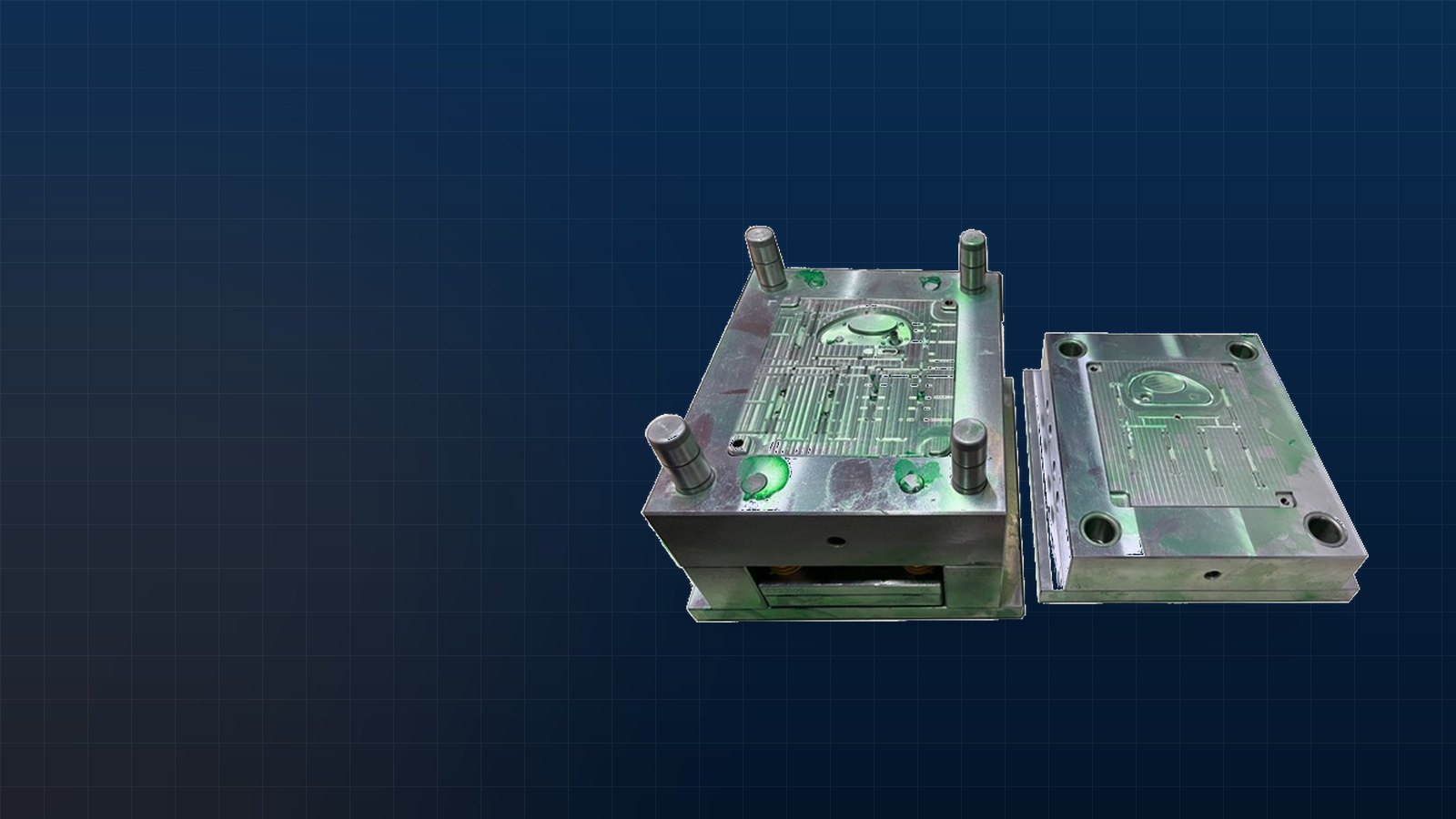
Injection mould manufacturer — since 2003
Cents Precision Manufacturing designs, machines and runs plastic injection moulds in Humen, Dongguan — 36 mould-making machines and 30 presses from 20T to 300T, with tolerances held to ±0.01 mm.
Why CENTS
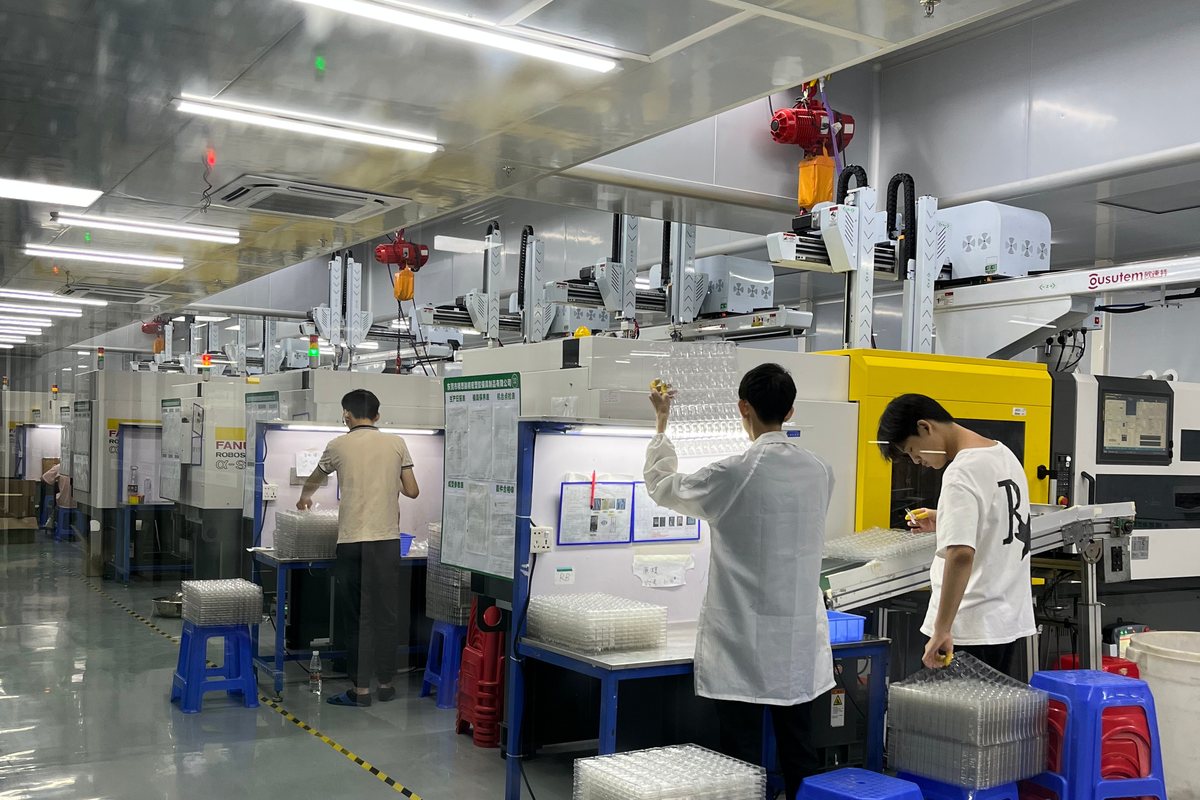
Every mould we quote is designed, machined, polished, trialled and put into production in the same building in Humen. Nothing is subcontracted, so nothing in your schedule waits on another factory.
01 / Since 2003
Founded in 2003 by a mould design engineer trained in Japanese and Taiwanese toolrooms. 10 mould designers and 5 QC inspectors work on your part before steel is cut.
02 / In-house
CNC, slow-wire EDM, sinker EDM, mirror polishing, milling and grinding under one roof — plus 30 injection presses from 20T to 300T running the first trial.
03 / Measured
Mould work is held to ±0.01 mm and verified on a Swiss Hexagon CMM in a climate-controlled room. The dimensional report ships with your T1 samples.
Product ranges
Tooling, decorated parts, soft-over-rigid parts, machined metal and precision mouldings — engineered to your drawing rather than sold from a shelf.
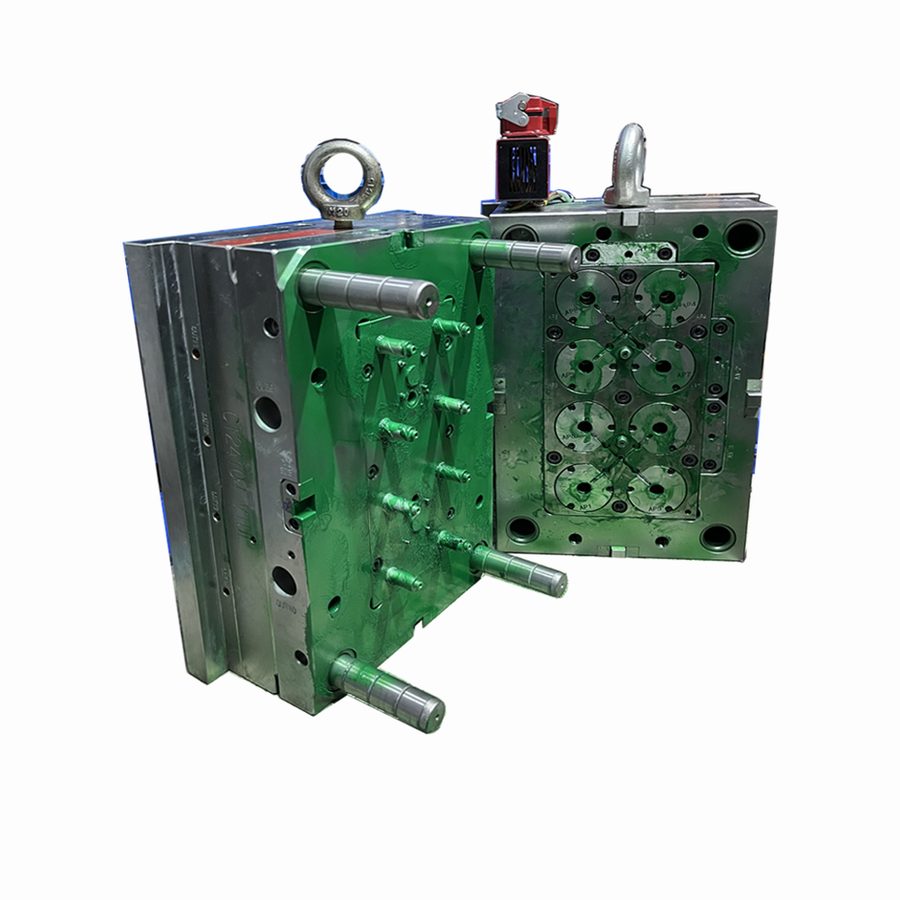 01 · 13 tools
Two-plate, multi-cavity, family, slide and unscrewing tools.
View range →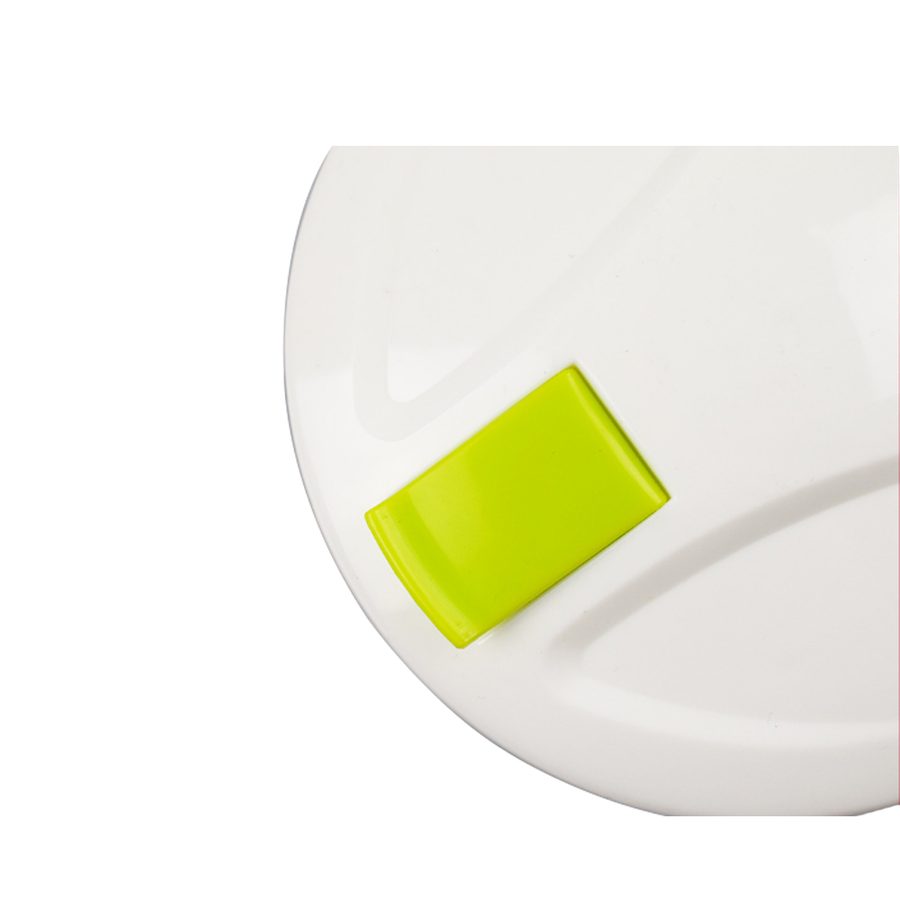 02 · Two-shot
TPE, TPU and silicone bonded onto rigid substrates and inserts.
View range →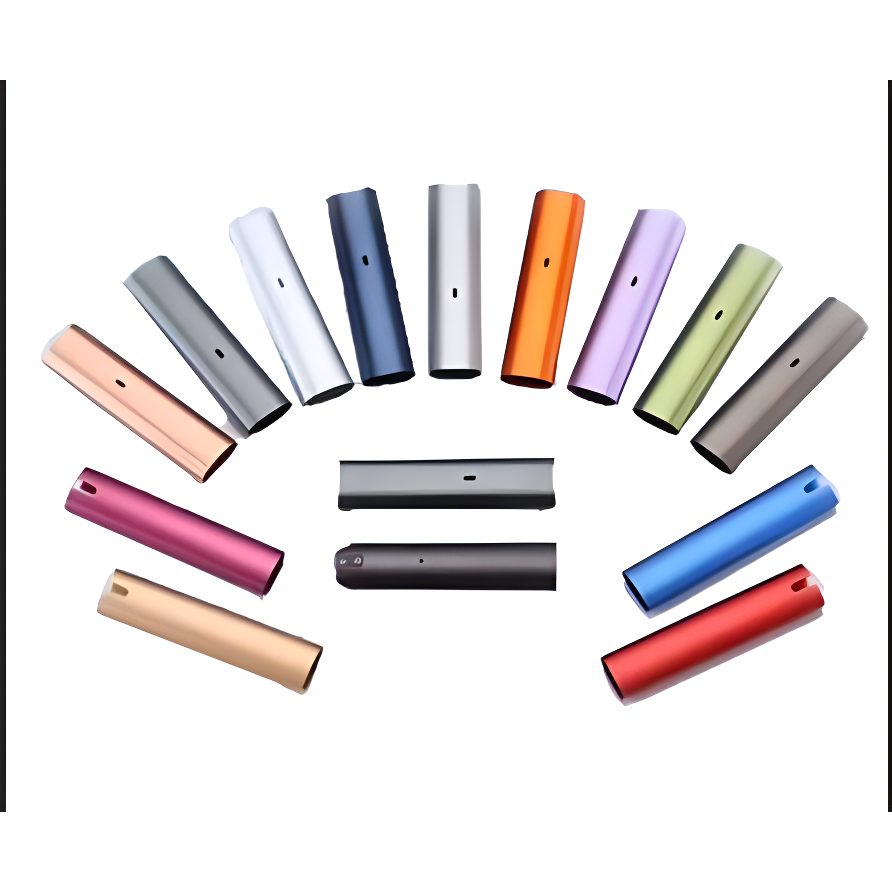 03 · 11 parts
Graphics, backlit panels and metallic finishes bonded during moulding.
View range →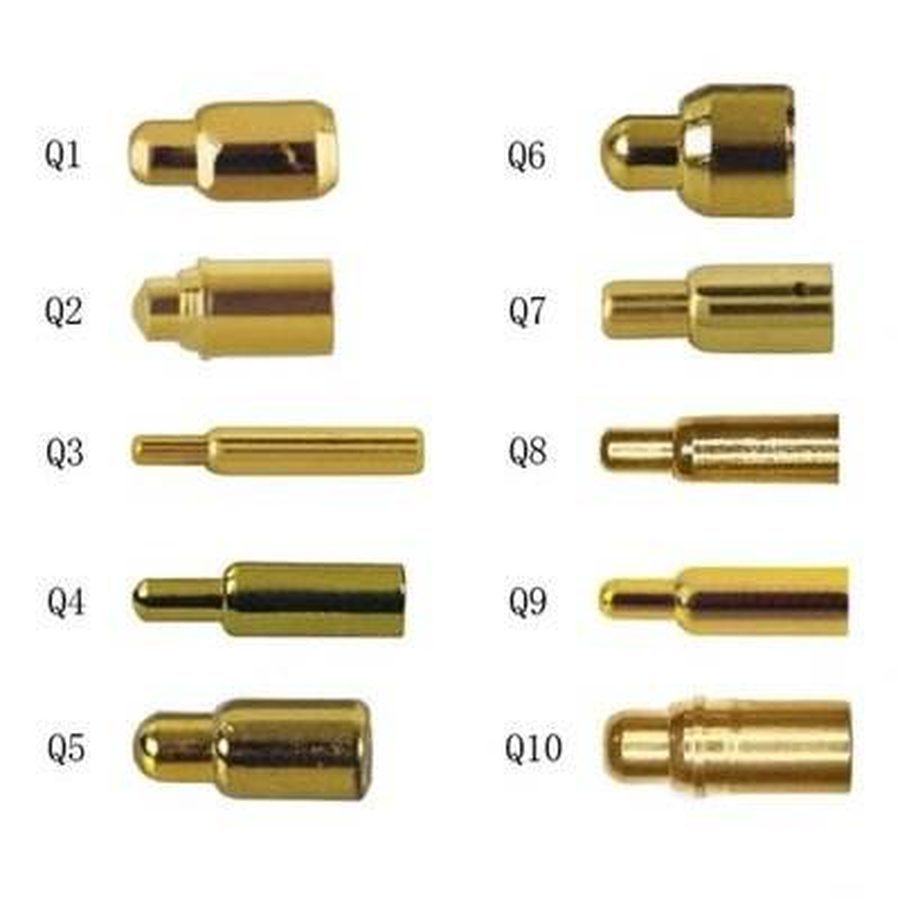 04 · 3 ranges
CNC-turned contacts, machined rings and sheet-metal stamping dies.
View range →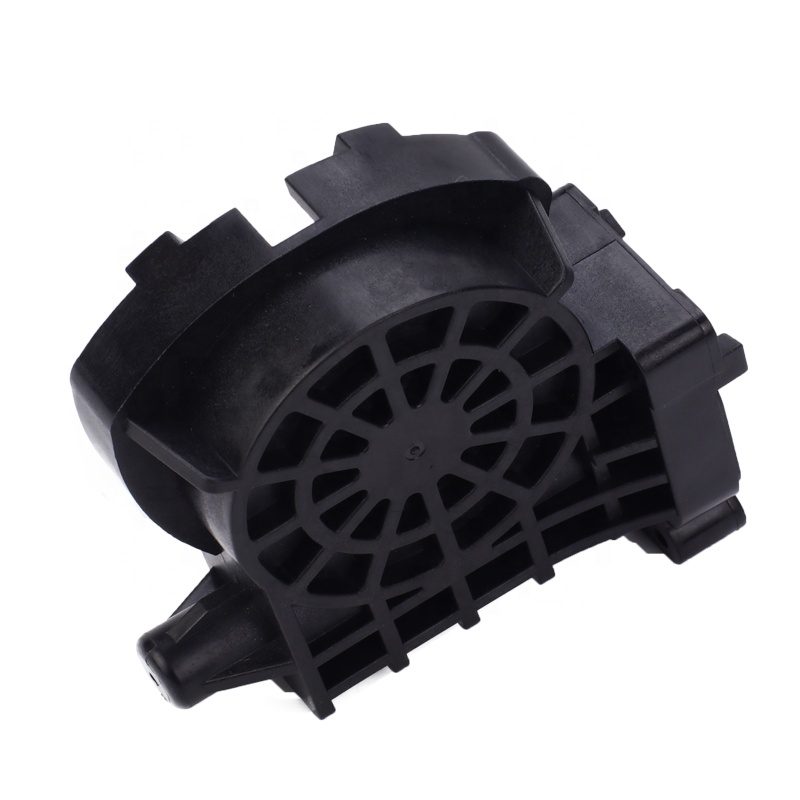 05 · 14 parts
Tight-tolerance housings, transparent parts and engineering resins.
View range →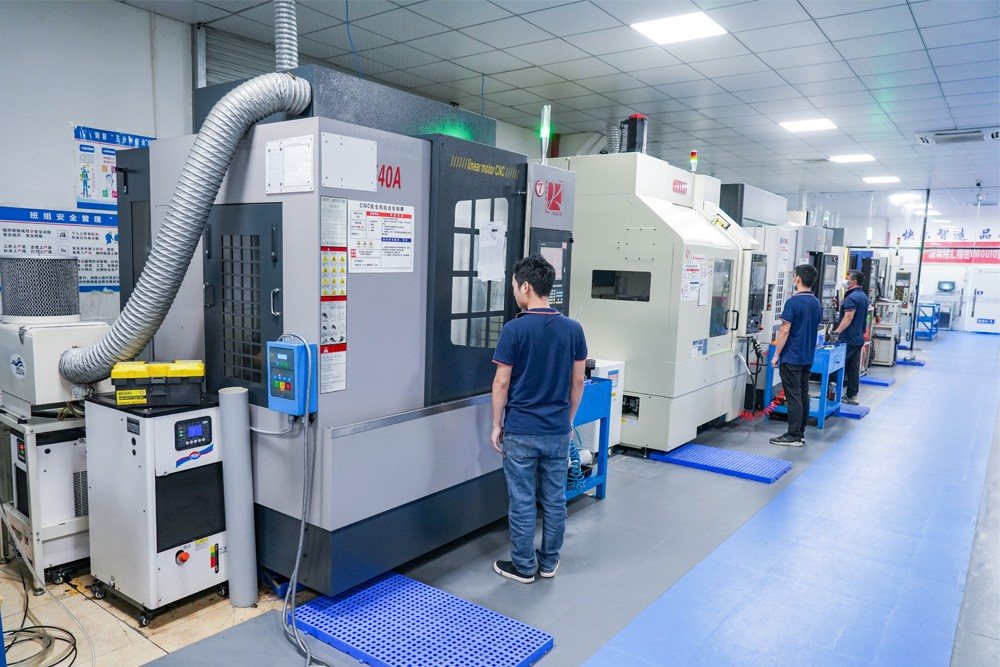 All products
42 tooling and part examples, photographed in our own plant.
Browse catalogue →How we work
Four stages, each with a document you can check before the next one starts.
01
Send STEP/IGES/X_T, the resin and annual volume. You get a mould price, a cycle estimate and a written DFM opinion in 1–2 business days.
02
Typically 15–30 days after design approval: CNC, wire-cut EDM, sinker EDM and mirror polishing, all on site.
03
First trial on our own presses, with samples, a CMM dimensional report and a moulding parameter sheet.
04
Production parts in 7–15 days after sample approval, packed to your spec or shipped with the tool.
Factory & equipment
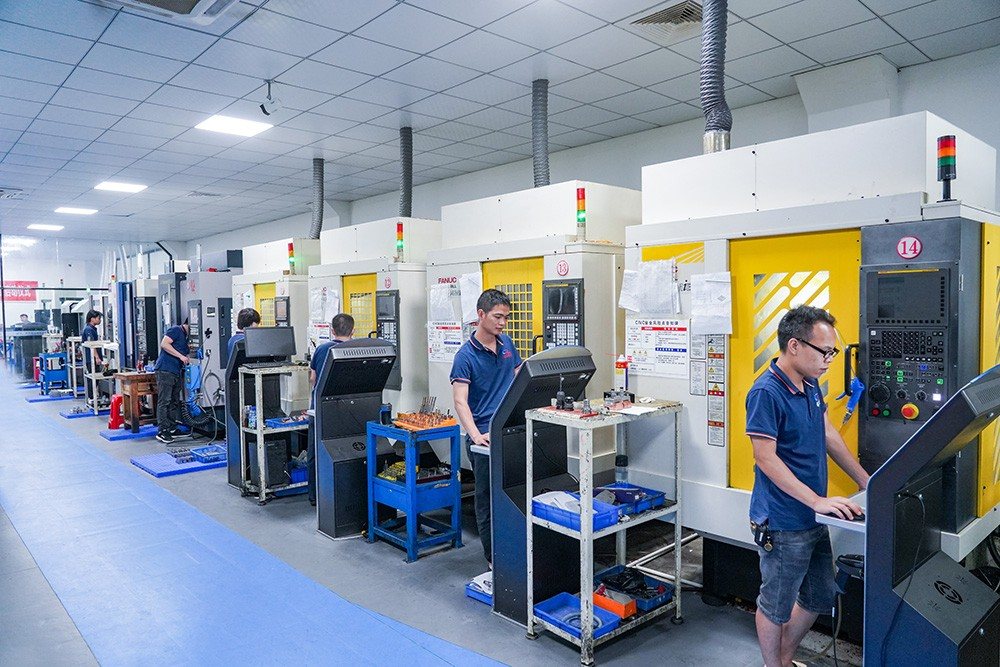
18 of the 36 mould-making machines are imported high-accuracy units — Yasoda and OKUMA CNC, FANUC centres, Swiss GF wire-cut, Makino sinker EDM and a Hexagon CMM.
| Process | Machine | Accuracy | Qty |
|---|---|---|---|
| CNC machining | Yasoda YBM640V · OKUMA MP46V (Japan) | 0.001 mm | 2 |
| CNC machining | Yongjin NSV1020MA / NDV850 (Taiwan) | 0.002–0.003 mm | 3 |
| CNC machining | FANUC D14MIA (Japan) · Koruisi 540A | 0.003–0.005 mm | 8 |
| Slow-wire EDM | GF E350 (Switzerland) | 0.001 mm | 3 |
| Die-sinking EDM | Makino EDG3 (Japan) | 0.001 mm | 5 |
| Inspection | Hexagon 860 CMM (Switzerland) | 0.001 mm | 1 |
Accuracy figures are the machines’ positional accuracy as specified by the manufacturer. Milling and surface grinding account for the remaining 12 mould-processing machines; injection moulding runs on 30 separate presses from 20T to 300T.
Representative tooling
Three tool types that cover most of what buyers send us — photographed in our own toolroom, with the detail that decides whether the part runs clean for a million shots.
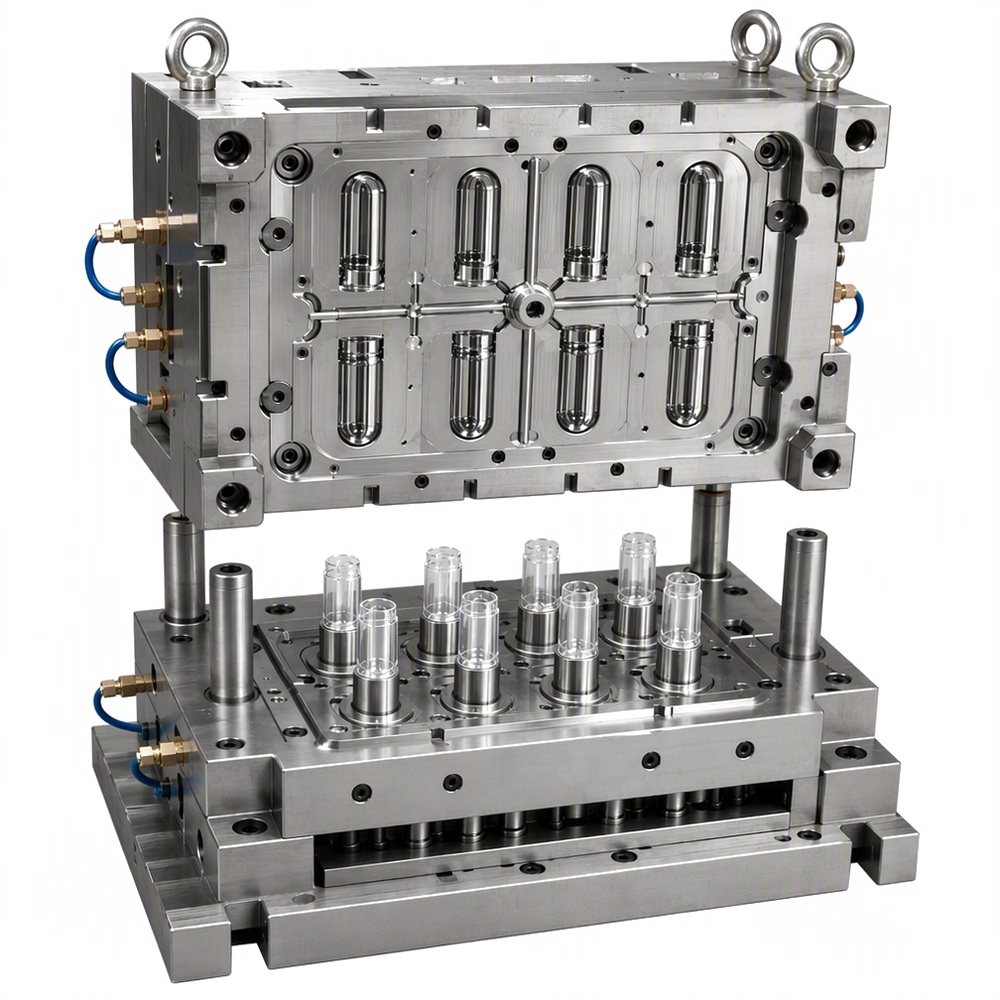
Cosmetic packaging
Balanced runner and symmetrical cooling so all eight caps shrink alike. Class-A polished cores, with thread pairing and witness lines signed off on the design sheet before steel.
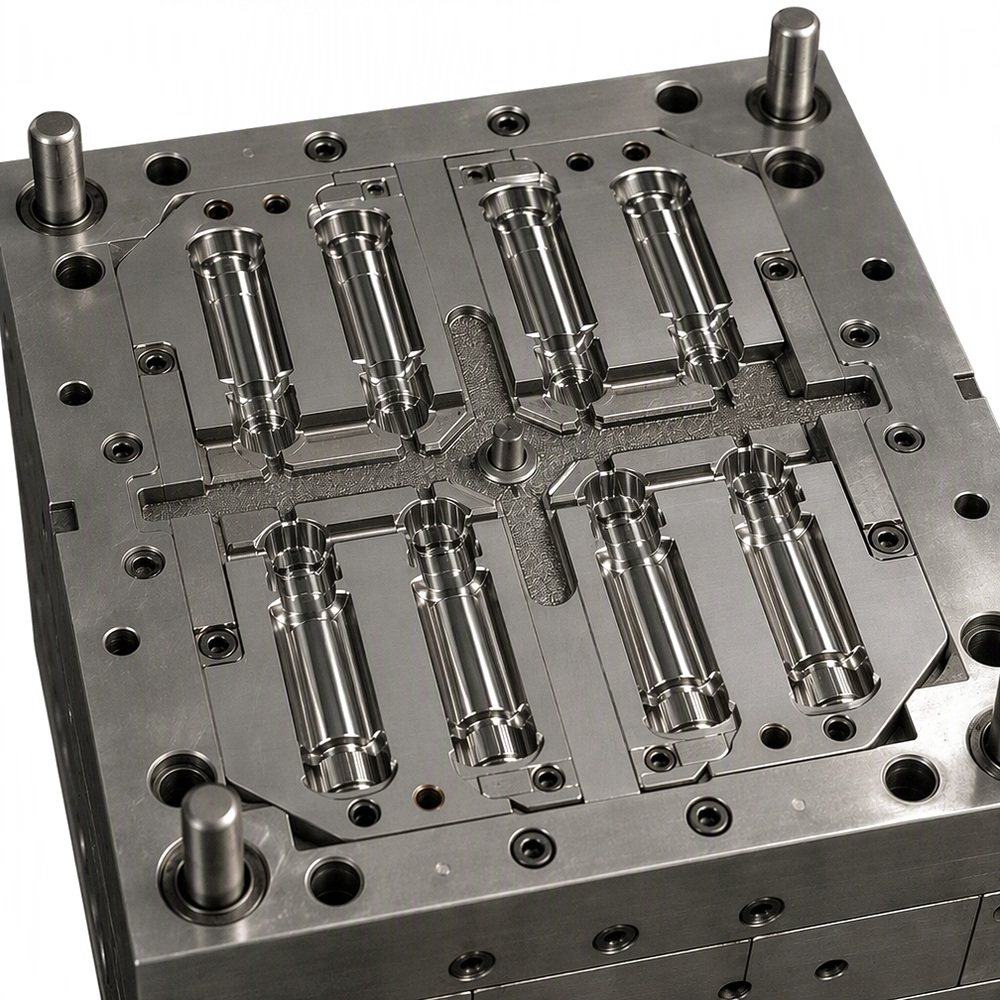
Multi-cavity
Replaceable cores in a common base: one cavity can be swapped without rebuilding the tool. Cavity count is sized to your annual volume and press tonnage, not to a catalogue.
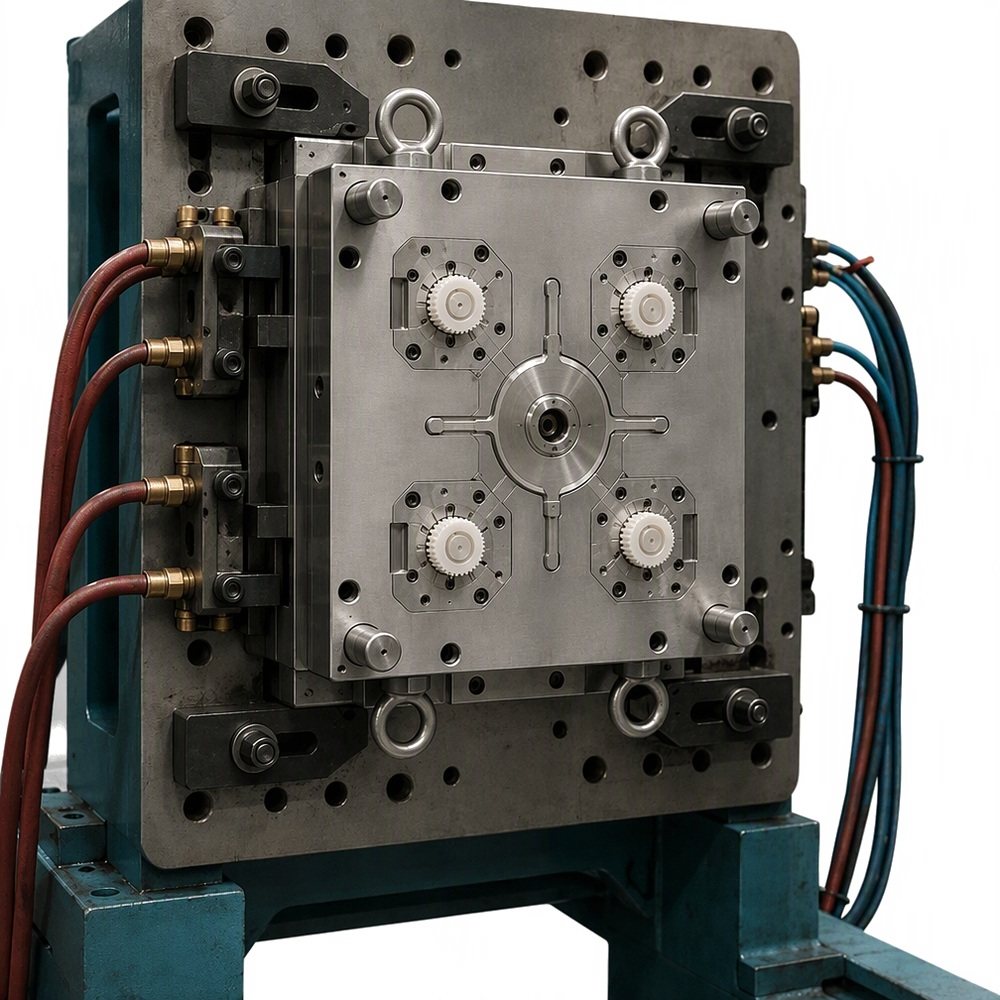
Large tooling
Plates machined, ground and fitted at ±0.01 mm, then run on a press up to 300T in the same building — the tool is proved before it is shipped, not after.
Buyer FAQ
These are the questions overseas buyers put to search engines and to AI assistants when they compare injection mold manufacturers — answered the way we would answer them on a call. Cost, lead time, steel selection, tolerances and sourcing risk, in short form.
Buyers in our main markets search for this in different words — injection mould and toolmaker in the UK, Spritzgussform and Werkzeugbau in Germany, formy wtryskowe in Poland, and press mold or press form in Russia and Ukraine. Send us the part and the volume in whichever language you work in.
Check four things: tooling and molding under one roof; a machine list you can verify (we run 36 mold-making machines and 30 presses from 20T to 300T, 18 of the machines imported); measurement evidence rather than certificates alone (we hold ±0.01 mm on mold work and inspect on a Swiss Hexagon CMM); and a named engineer who answers your DFM questions before steel is cut.
We do. CENTS designs and machines the mold, runs the first trial in-house, and produces parts on the same 30 presses from 20T to 300T. One team owns the outcome: if a dimension drifts at T1, the tool and the process are corrected together, and nothing in your schedule waits on a subcontractor.
For more than 15 years we have built lipstick tube, lip balm and cosmetic inner-tube tooling for a European cosmetics brand. Those tools were specified for 1,000,000 shots and validated at 5,000,000. Cosmetic parts are judged on surface class and fit, so cavity polishing and thread pairing are engineered together.
Working bands, not a quotation: a simple single-cavity production mold typically starts around US$4,000–9,000, while multi-cavity tools with hot runners or unscrewing action commonly run US$9,000–45,000+. Cavity count, steel grade and finish class move the price more than part size does. Send 3D data and annual volume for a fixed price.
Chinese toolmaking typically runs 15–30 days of machining after design approval, against roughly 8–20 weeks at a German mold maker. Freight adds days by air or several weeks by sea, and the tool travels with its documentation under HS 8480.71.
Match the steel to volume and resin: P20 for low-volume tooling and simple parts; 718H for general production; NAK80 or S136 when you need a polished, stain-resistant cavity; hardened H13 or SKD61 for abrasive glass-filled resins. Tell us the annual volume and the resin, and we will recommend one choice and justify it.
We hold ±0.01 mm on mold work. On molded parts, ±0.05 mm is realistic for most dimensions and ±0.02 mm on critical features when geometry, cooling and material allow it. Beyond that, the part design decides the outcome more than the mold does.
Fix the specification before the price: steel grades, cavity count, runner type, standard components and the documentation package. Pay against milestones — design approval, T1 samples, final sign-off. Require a dimensional report with the T1 samples and a spare-part set at shipment, and confirm in writing that the tool is your property.
Build to your standard — DME, HASCO, Meusburger or your internal tooling specification — using recognised standard components so spares stay available. Expect 2D and 3D drawings, steel and component certificates, a CMM dimensional report at T1, a molding parameter sheet and a spare-part set. We do not claim certifications we do not hold; ask us for measurement evidence instead.
MOQ is one mold (one set). Payment is 50% deposit by T/T, with the balance due after your T0 samples are approved — so you never settle the full amount before you have approved parts. Quotations are issued in USD, EUR or CNY.
Mold machining typically runs 15–30 days after design approval. T0 samples follow, and once you approve them production parts are delivered in 7–15 days. Tooling and molding sit in the same building, so a correction never waits on a third party.
Every mold carries a 1-year warranty. It ships on a plywood pallet with rust protection and the full documentation set — 2D and 3D drawings, steel and component certificates, the T1 CMM dimensional report and a molding parameter sheet. Spare parts for wear items travel with the tool.
Contact
Send 3D data, the resin and your annual volume. You get a mould price, a cycle estimate and a written DFM opinion — usually within 1–2 business days, from the people who will build the tool.
Start a project
STEP/IGES/X_T files, the resin and your annual volume are enough for a priced quotation with a DFM review attached.