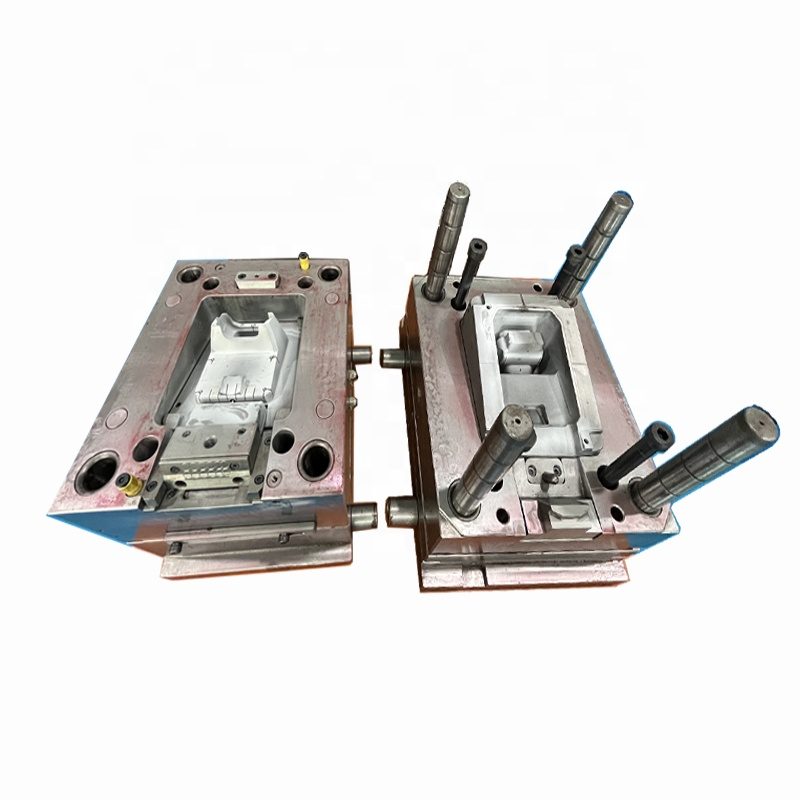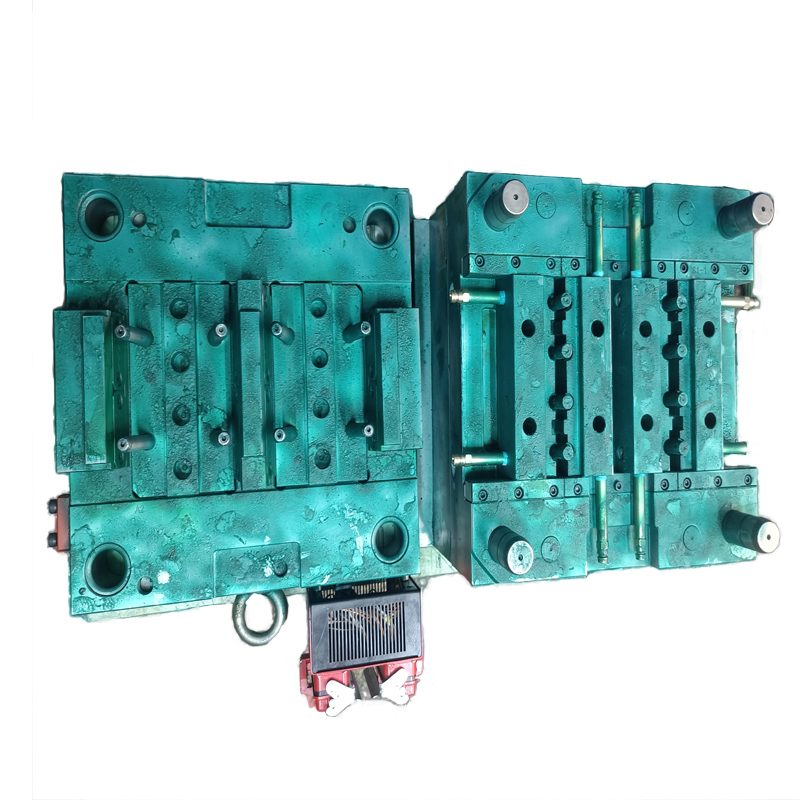
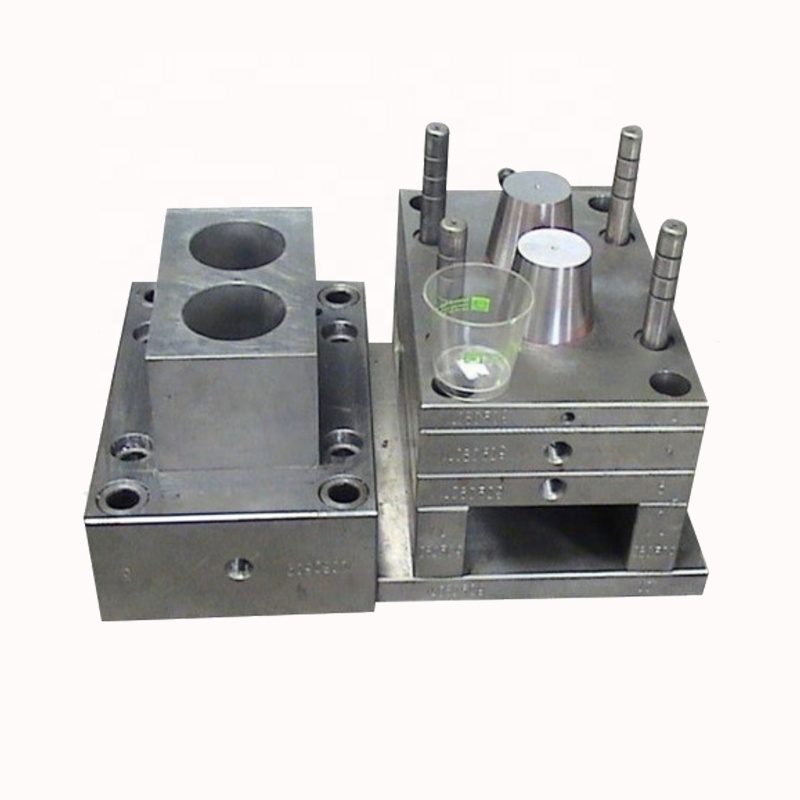
Two-cavity container mold
A compact two-cavity tool for cups and containers, with balanced cooling and a polished cavity finish for a clean visible surface.
Products · Overmolding parts
A rigid moulding with a soft silicone element bonded in place — two materials, one component, no assembly step.
Also searched asOvermolding · over-molding · two-shot molding · insert molding · TPE overmold · silicone overmolding
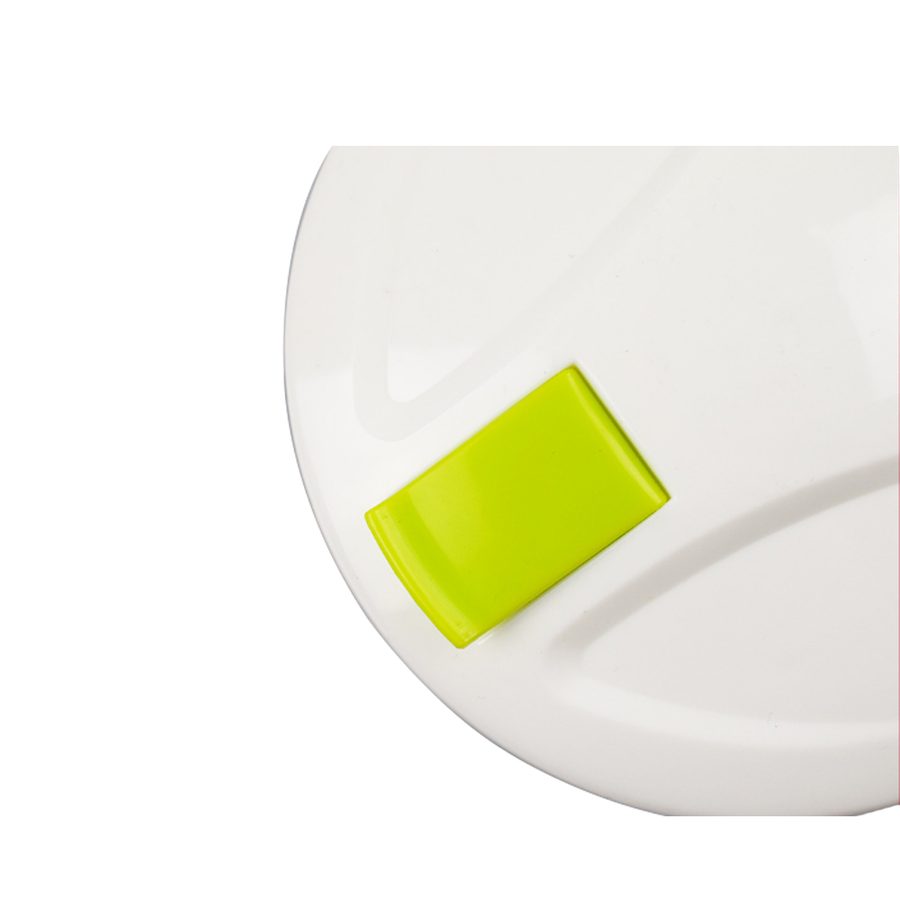
Over-molding a soft element onto a rigid part removes an assembly step and stops the soft part from falling off in use. The engineering is in the bond: material pair, wall thickness over the substrate, surface preparation and the mould temperature at the interface.
We design the substrate, the second-shot tool and the mechanical interlock as one system, and specify both materials with you before design approval. The part in the photograph pairs a rigid housing with a soft elastomer insert.
Specification
One tool, two materials. The table below is what we confirm line by line on the design approval sheet before machining starts.
| Construction | Two-shot tool, insert overmold or transfer overmold — chosen by volume |
| Substrate | ABS, PC, PA, PBT, POM, or a metal insert / bush / PCB |
| Second material | TPE, TPU, TPR or LSR / HTV silicone, 30–80 Shore A |
| Bond | Mechanical interlock plus chemical adhesion; both materials agreed in DFM |
| Mold work tolerance | ±0.01 mm |
| Tooling | P20, 718H, NAK80 or S136, with hardened inserts at the shut-offs |
| Molding | 30 presses from 20T to 300T, in the same building |
| Verification | Swiss Hexagon CMM and Zeiss Contura; pull and peel checks at T1 |
Values above are our standard capability, not fixed figures for a specific project. Both materials, the interlock geometry and the test plan are agreed before steel is cut.
Related products · Overmolding Parts
A compact two-cavity tool for cups and containers, with balanced cooling and a polished cavity finish for a clean visible surface.
A two-plate production mold with mirror-polished cavity and core plates, built for visible Class-A surfaces.
Undercuts solved with cam-driven slides rather than a redesign — for parts with side holes, clips, snap hooks or external features.
Next step
STEP/IGES/X_T files, the resin, your annual volume and target market are enough to get a mold price, a cycle estimate and the risks we can see — usually in 1–2 business days.